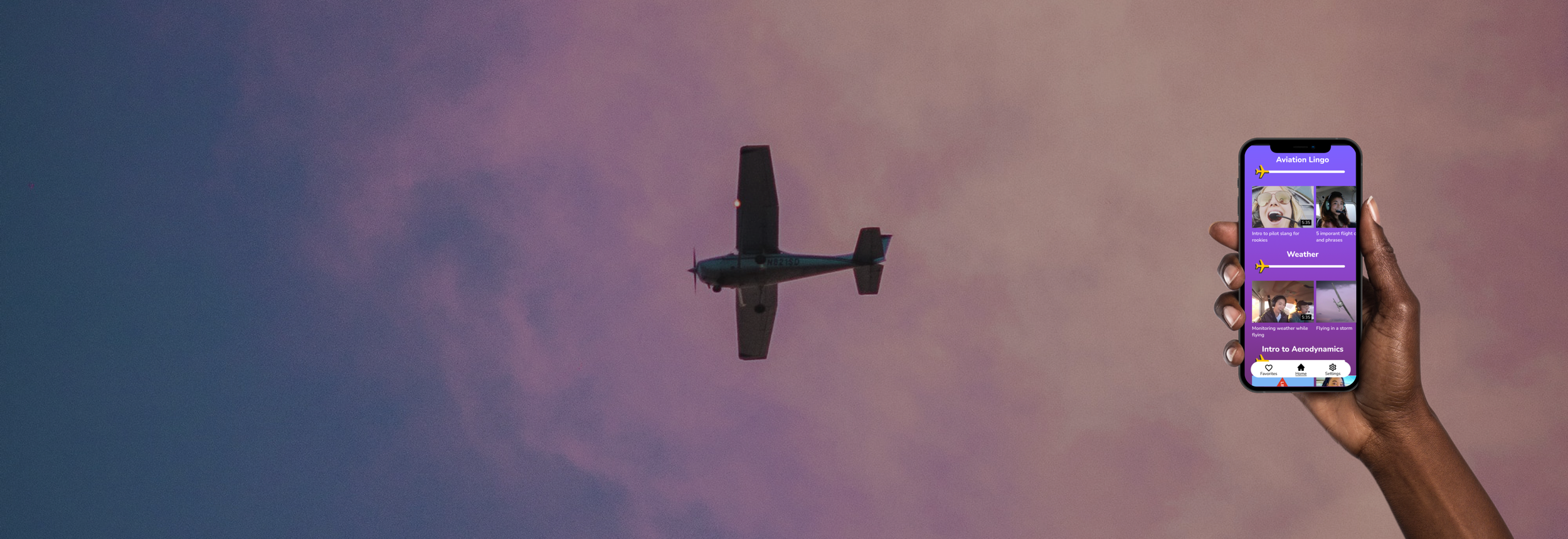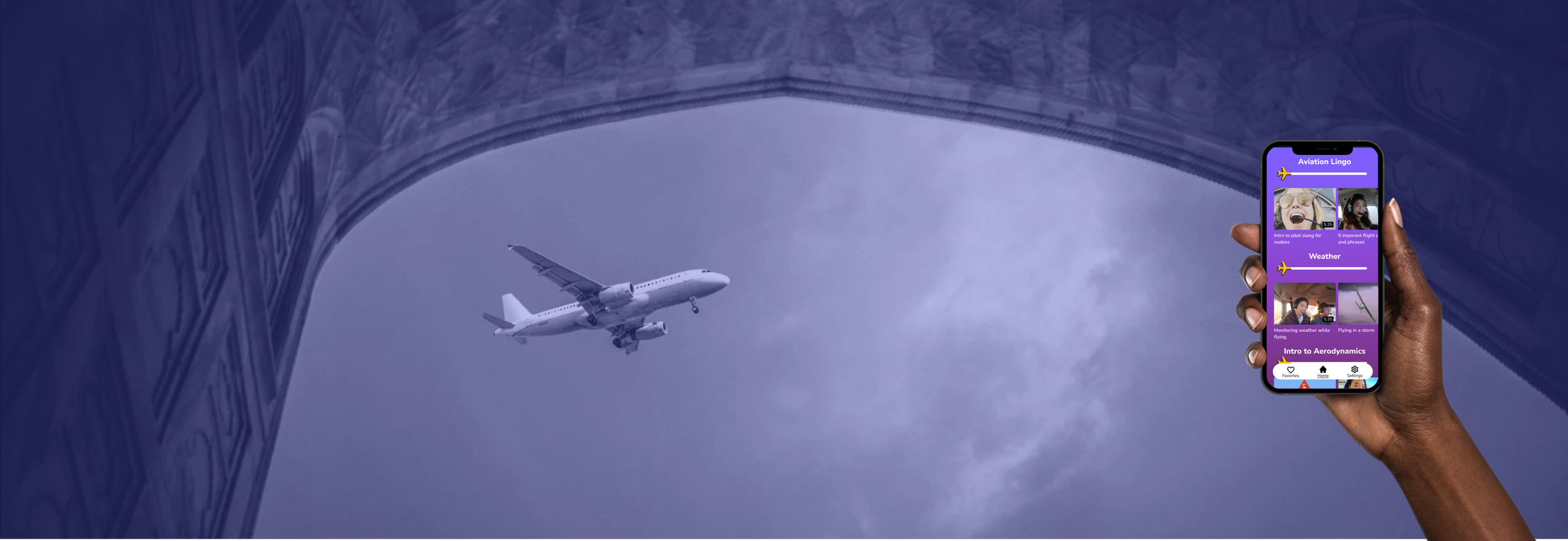
Discovering user pain points in a $4.4 billion aviation education industry
Project Overview
How 3 key insights can transform the educational space for student airplane pilots
Female student pilots have a 90% dropout rate. I interviewed 15 stakeholders to learn more about the user journey of this group and the pain points they face. Additionally, students who do not have any prior exposure to aviation are learning what they describe as a “new language” as they are learning new aviation terms at the same time as they are trying to consume new, complex aviation concepts. None of the competitors I looked into try to address this problem. You can read about the UX research process below. Or view prototype.
Roles: UX Researcher, UX/UI Designer | Duration: 12 weeks | Digital Tools: Figma, Miro, Illustrator
Expertise: Generative Research | Moderated User Interviews | Personas | Competitive Analysis | Affinity Clustering | Journey Mapping
-
The Problem: 90% of female pilot students drop out
Existing resources for student pilots are geared towards the end of the student pilot journey.
Apps charge high fees to students who are already paying $15,000-$25,000 for their private pilot license.
The existing resources require long periods of time to study.
Students follow a manual process of finding videos that help break down complex material.
-
The Solution: On the go education app to reduce drop out rates
Provide an approachable app for beginner students with no prior aviation exposure.
Create a business model that allows the app to be free to students.
The solution should be an on-the-go app that breaks information down into bite-sized chunks.
It should remove the manual process of finding accessible material.
-

Adriana
Age: 25
Student pilot
“None of these people [in aviation Youtube videos] look like me”
Students already feel isolated in their classes, many are the only women and sometimes the only minority among the peers they’ve met in their ground training
-

Jenna
Age: 32
Student pilot
“I don’t want to spend money on [additional training resources]...I am already spending so much”
Educational aviation apps charge high fees to students - sometimes costing thousand of dollars to access all the content.
-
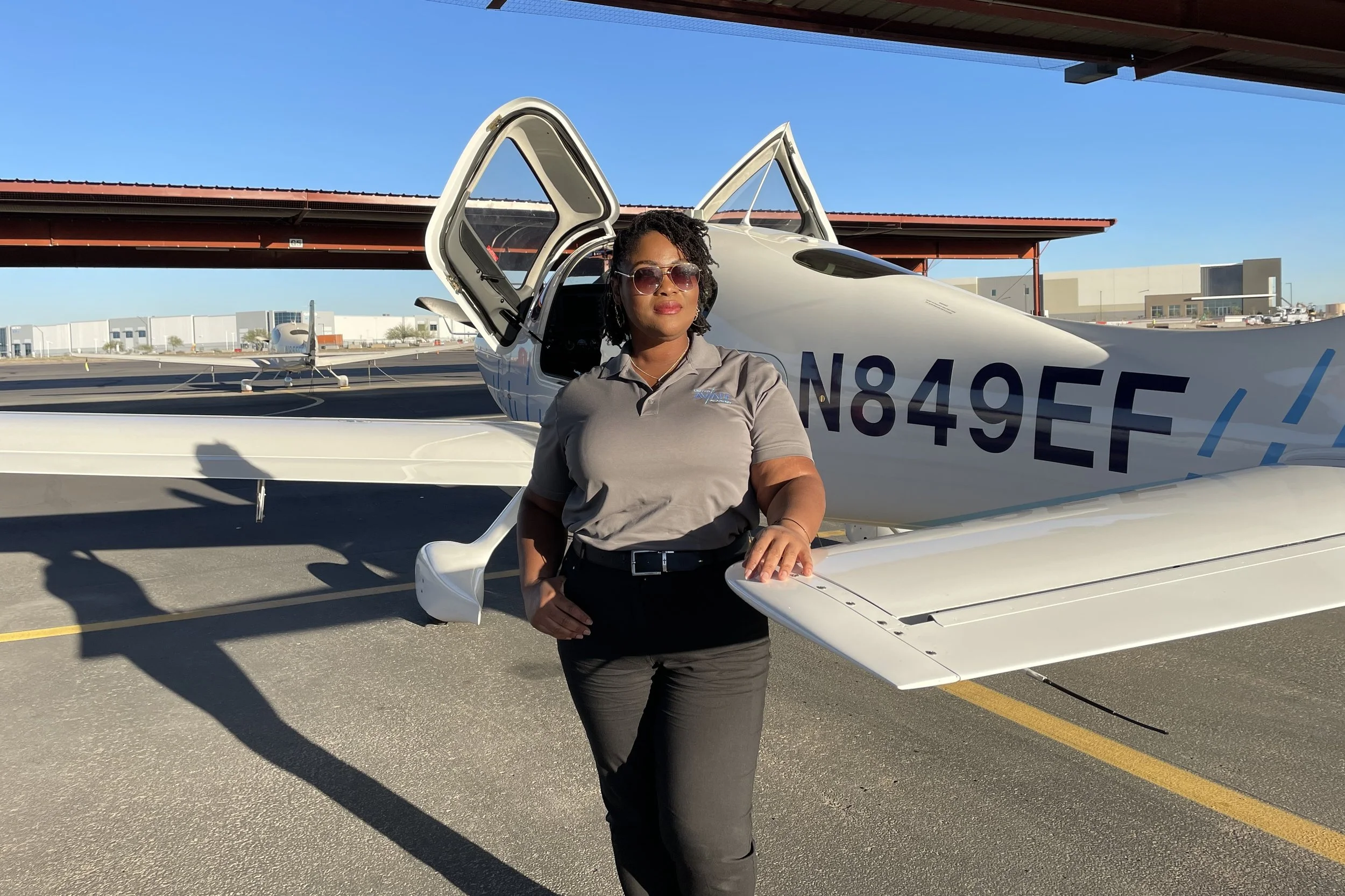
Aiden
Age: 52
Flight instructor
“Hobbyists are less likely to complete their PPL [compared to students learning to fly for a profession]”
Instructors note that hobbyists are at a higher risk of dropping out than students seeking to become professional pilots.
-
$15,000-25,000
Cost to obtain a private pilot’s license (PPL)
-
40-50 hours
Flight hours to get a private license
-
15
Stakeholder interviews with students & instructors
The design research process:
-
Assumption
Women in flight school want to become pilots, but run out of money and time because of a mismatch between expectations and reality. This makes them feel overwhelmed and afraid to continue.
-
Reality
Female flight students are well-informed about the time and money needed to complete school and most budget extra time and money compared to what they are quoted.
The competition is high cost, and resources are lacking for beginner students.
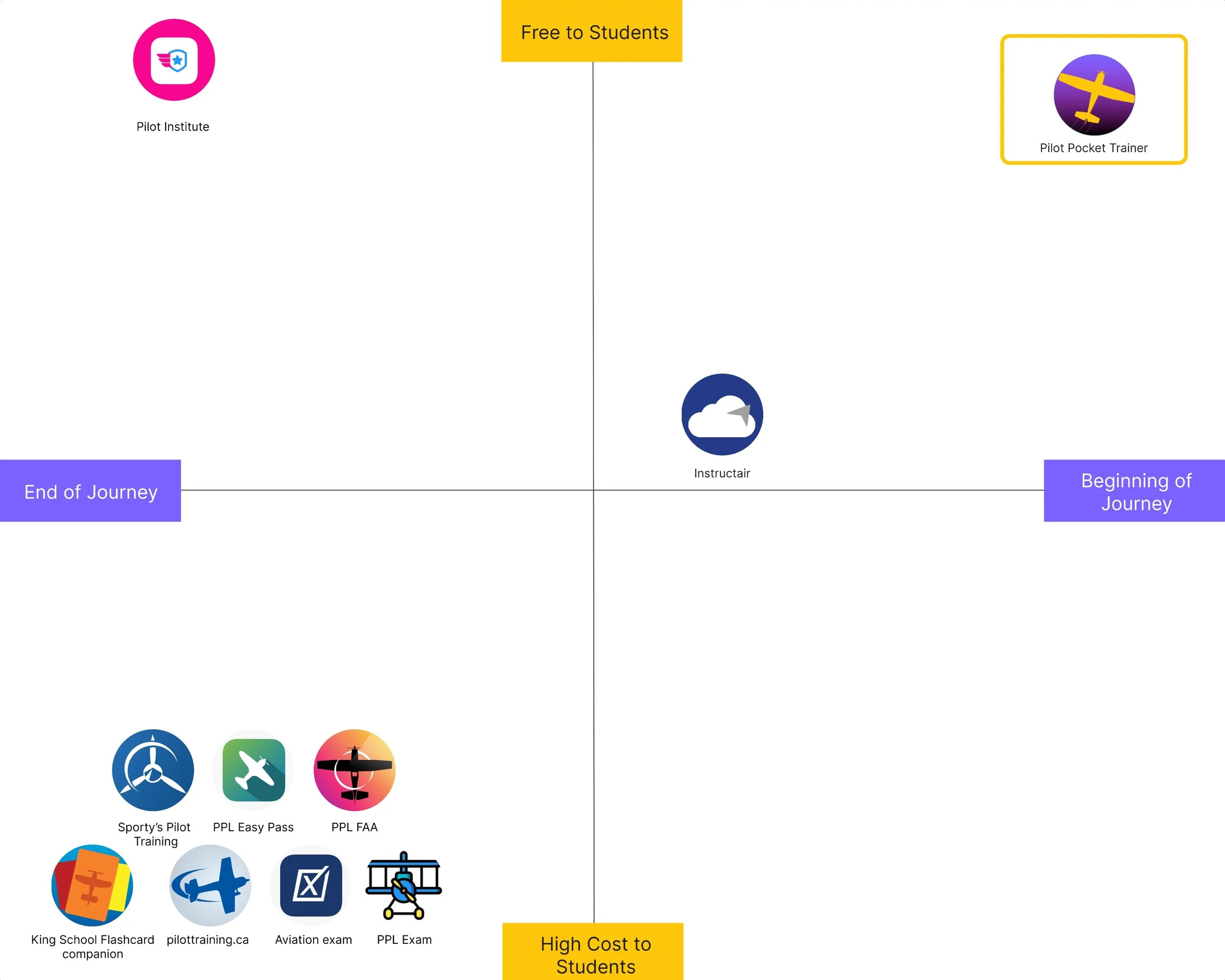
The industry lacks resources for beginner students
Existing resources target the end of the user journey for student pilots, focusing on helping them pass the written exam. However, students are often overwhelmed with new, information early on in flight school.
Existing apps charge student high fees
Almost all competitors charge students expensive fees. Students don’t want to purchase additional study resources that are not covered by the fees they already pay to their flight school.
A look at the competitors:
-
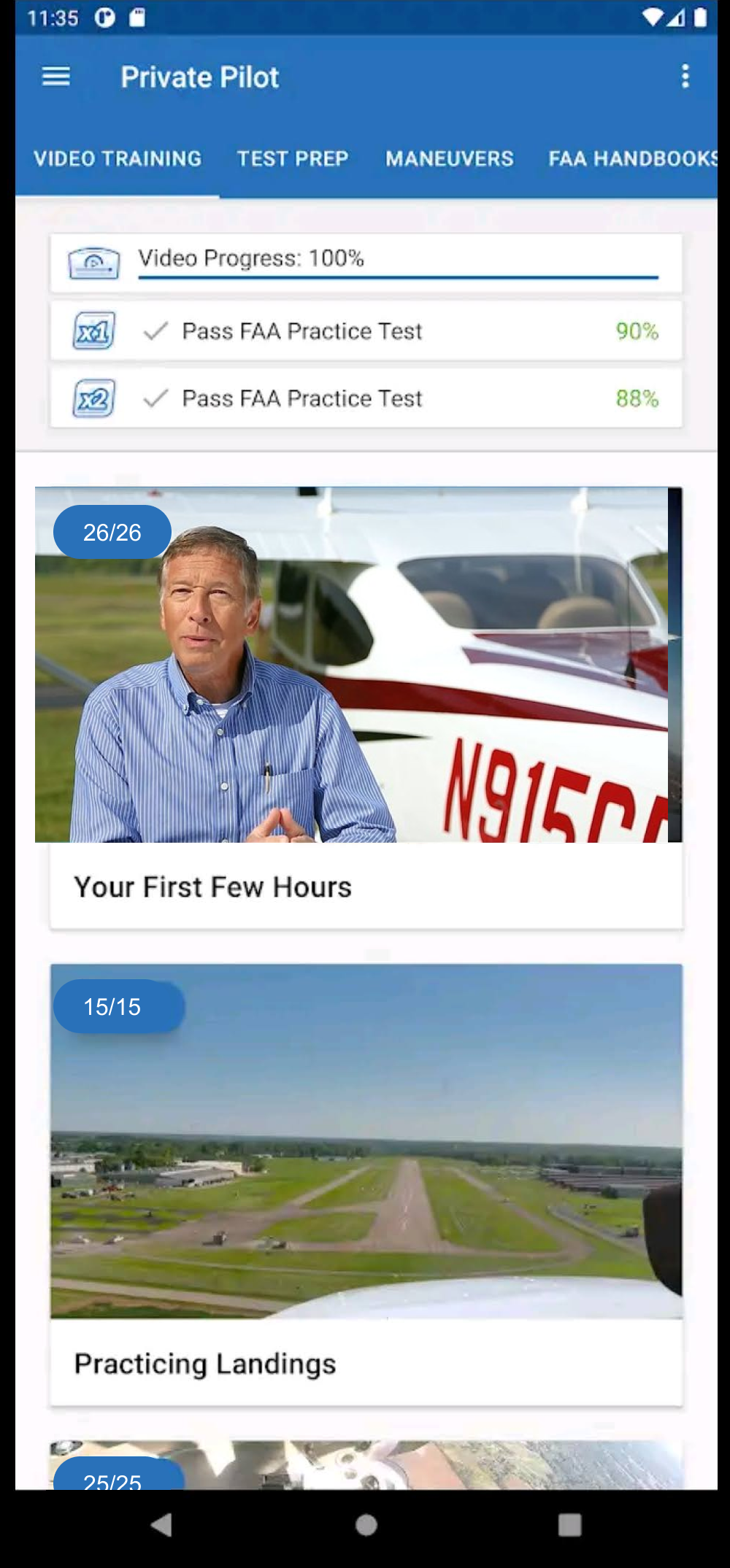
high cost ($3000+ for all content)
lacks representation
-
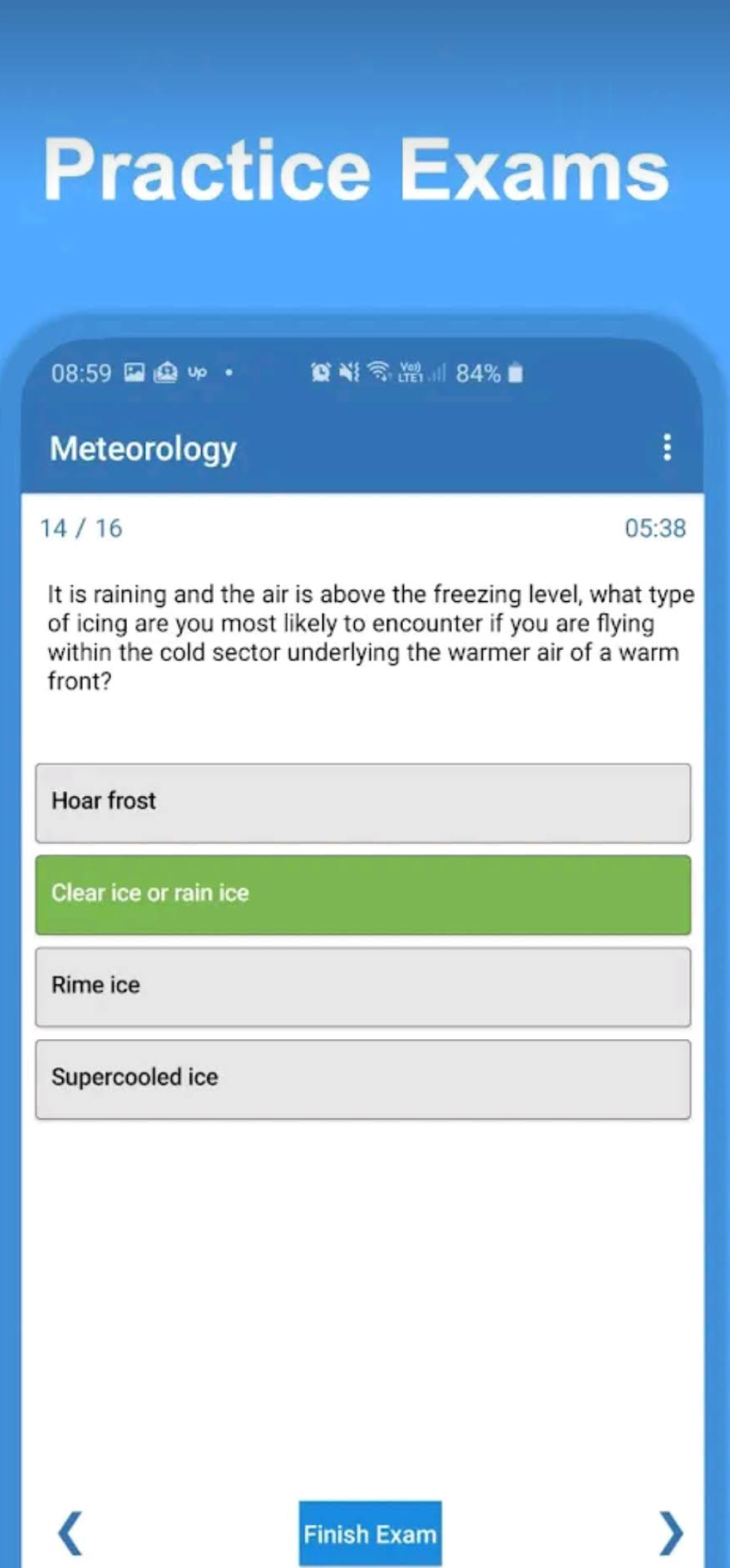
lacks video content
focused on end of user journey
-
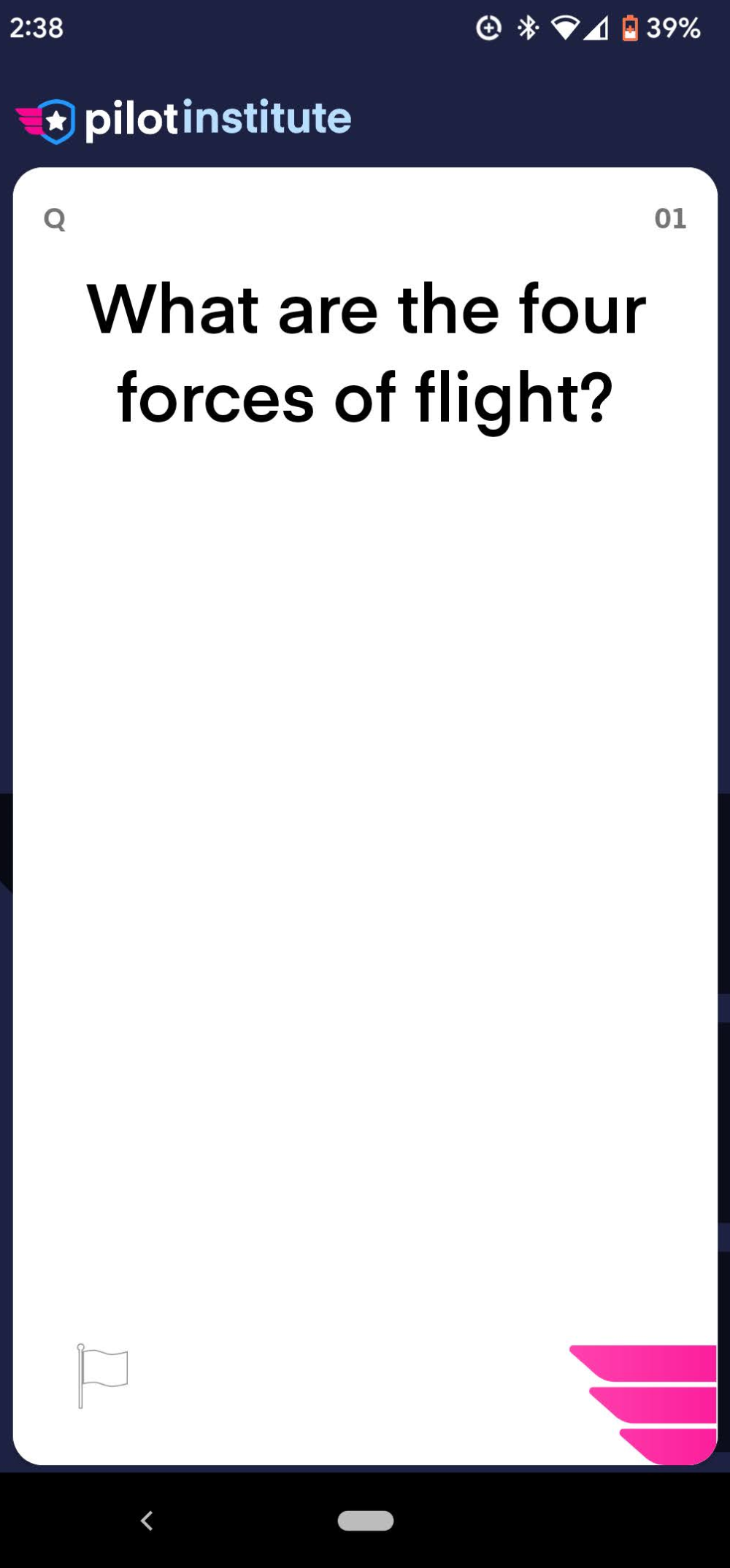
lacks educational content
focused on end of user journey
-
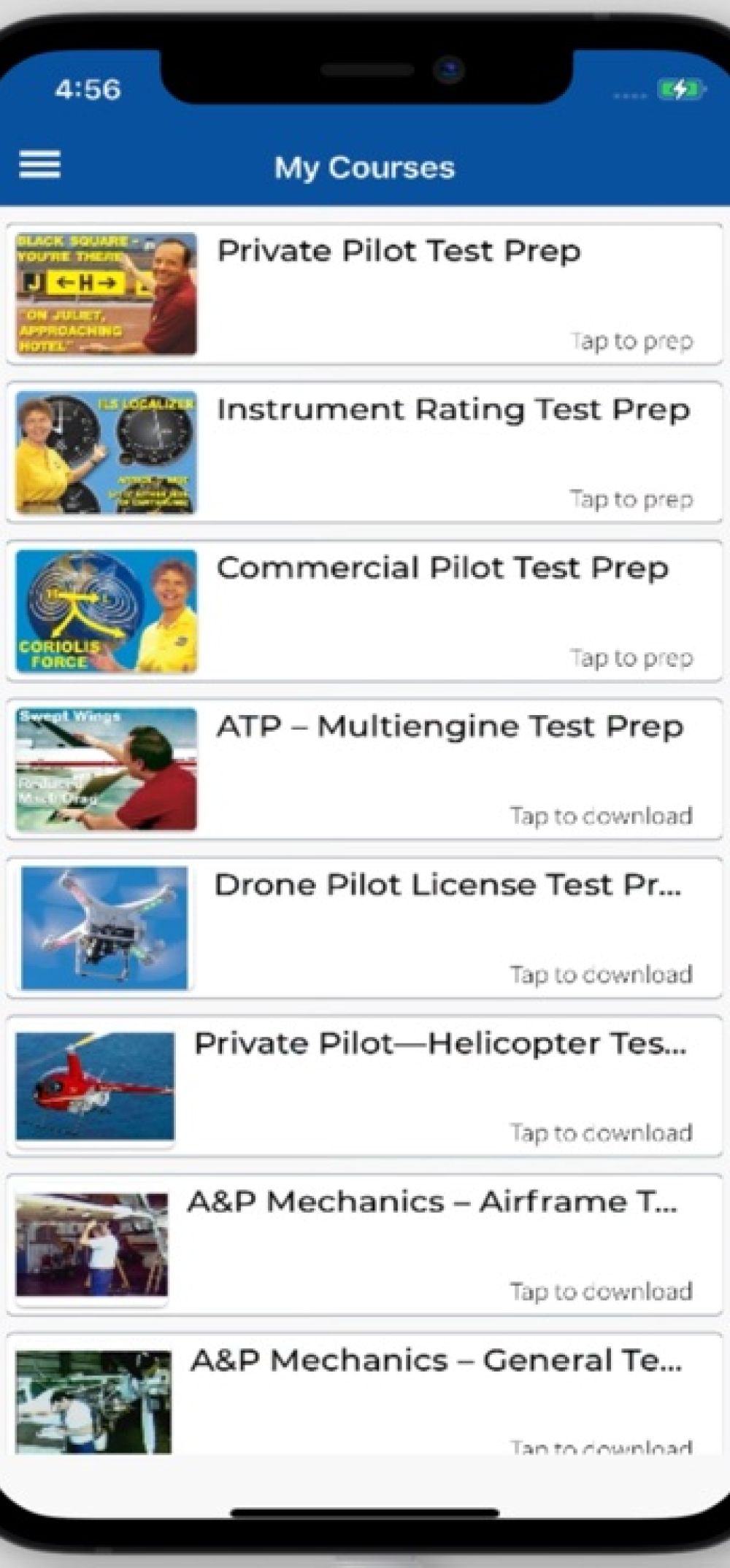
high cost ($3000+ for all content)
lacks representation
Discovery research to uncover problem and solution
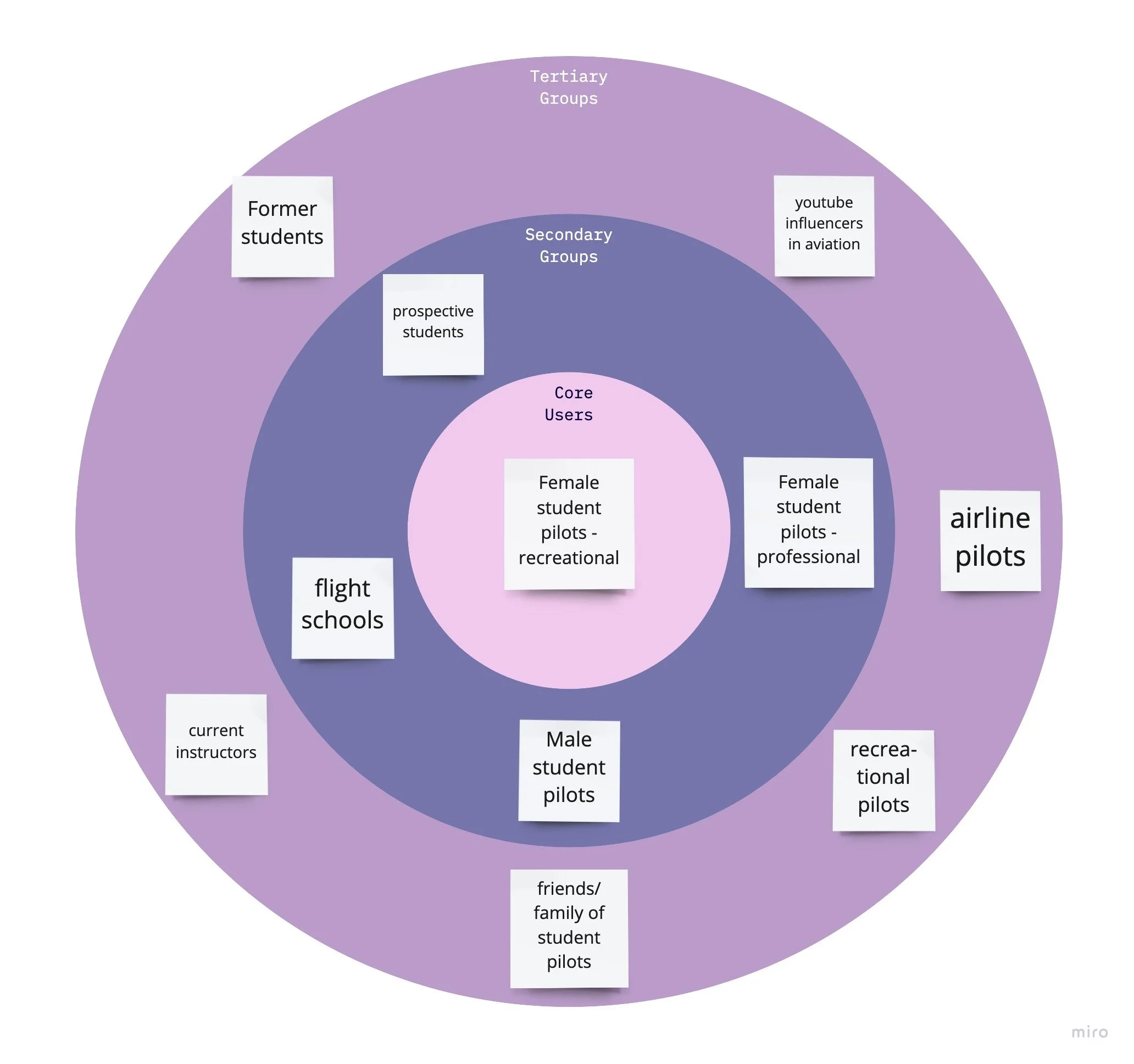
Here is a stakeholder map representing interviews with 15 core stakeholders, including student pilots, flight instructors, and prospective students.
Some students have high exposure to the aviation world before pursuing their license. Often, this comes in the form of a close family member, such as their father, having a pilot license. They learn some of the lingo at home, so once the student starts pursuing her own license, she is already familiar with some of the aviation terms and is less likely to become immediately overwhelmed.
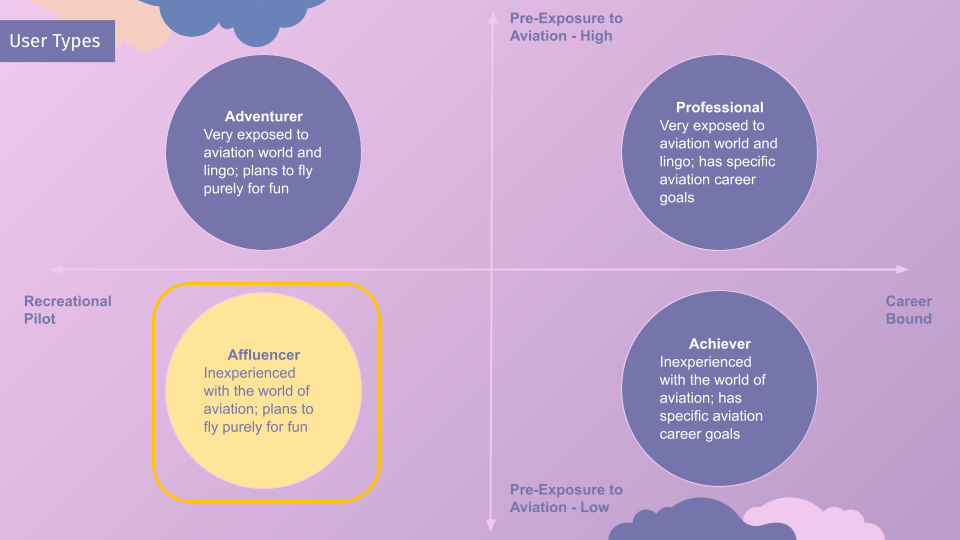
“Affluencer” user types are most likely to be early adopters
Focus on female students pursuing a pilot license for recreation who have limited prior exposure to aviation. These students are less likely to have a tight timeline to obtain their license. Their inconsistent flight hours cause them to need to relearn, which is expense and time-consuming.
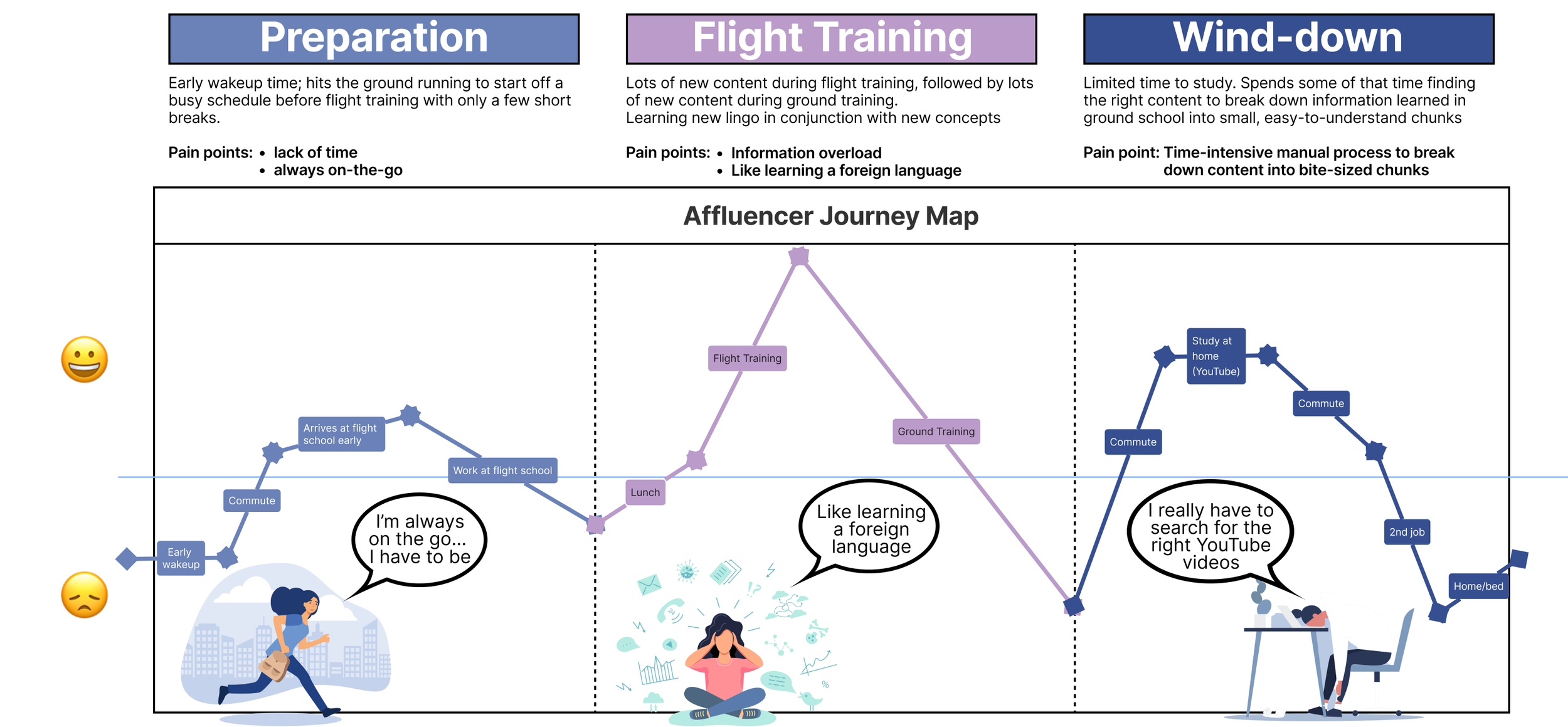
Journey map of a day in the life of an affluencer going through pilot training:
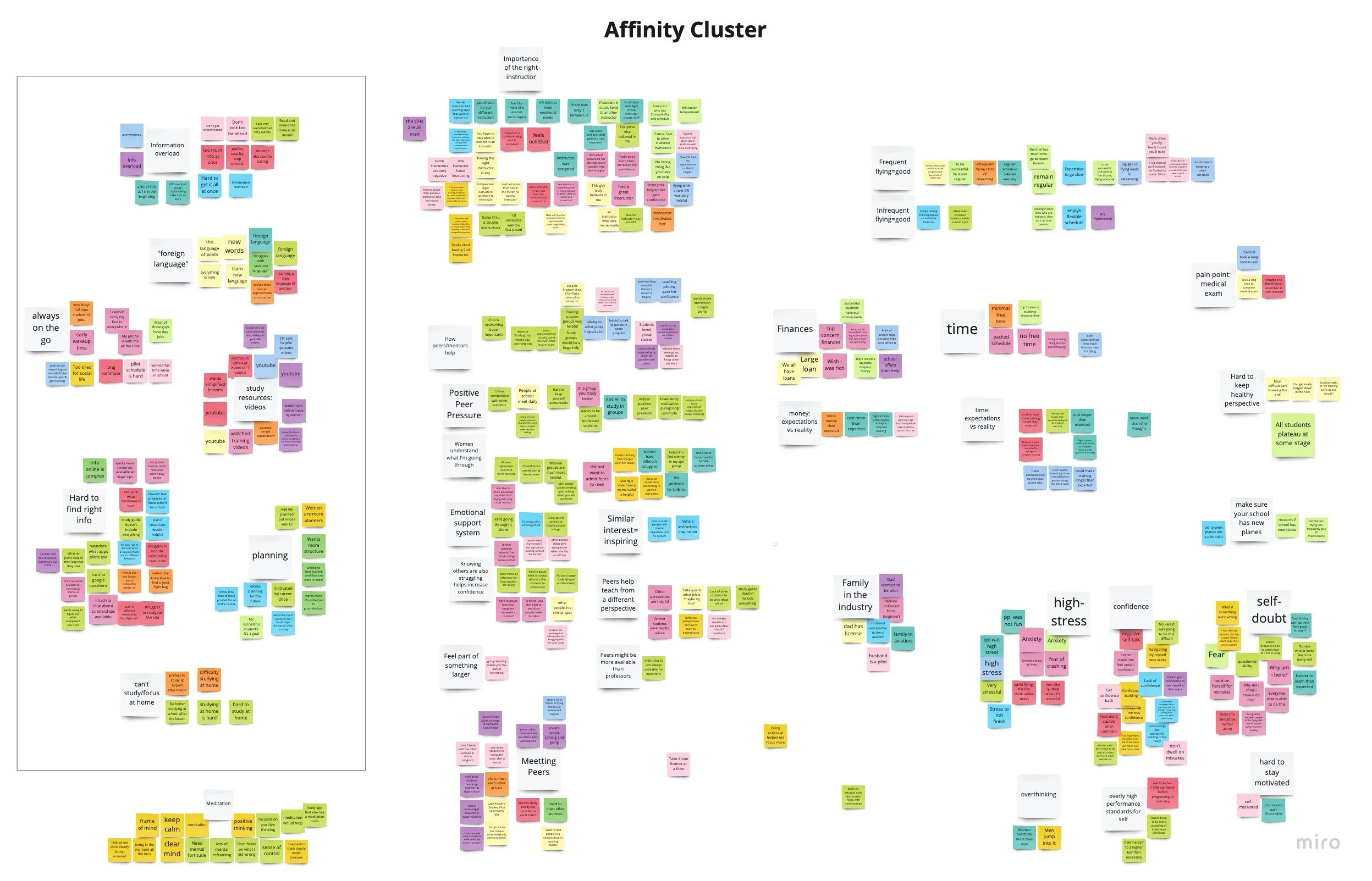
I created an affinity cluster to group common ideas from the 15 user interviews and identify themes.
Key Takeaways:
Early in their user journey, students reach information overwhelmed from the amount of complex concepts and new terms they encounter.
Female students and minorities find feel isolated and struggle to find representation in their learning process.
Students hold very busy schedules and struggle to find large blocks of free time to study.
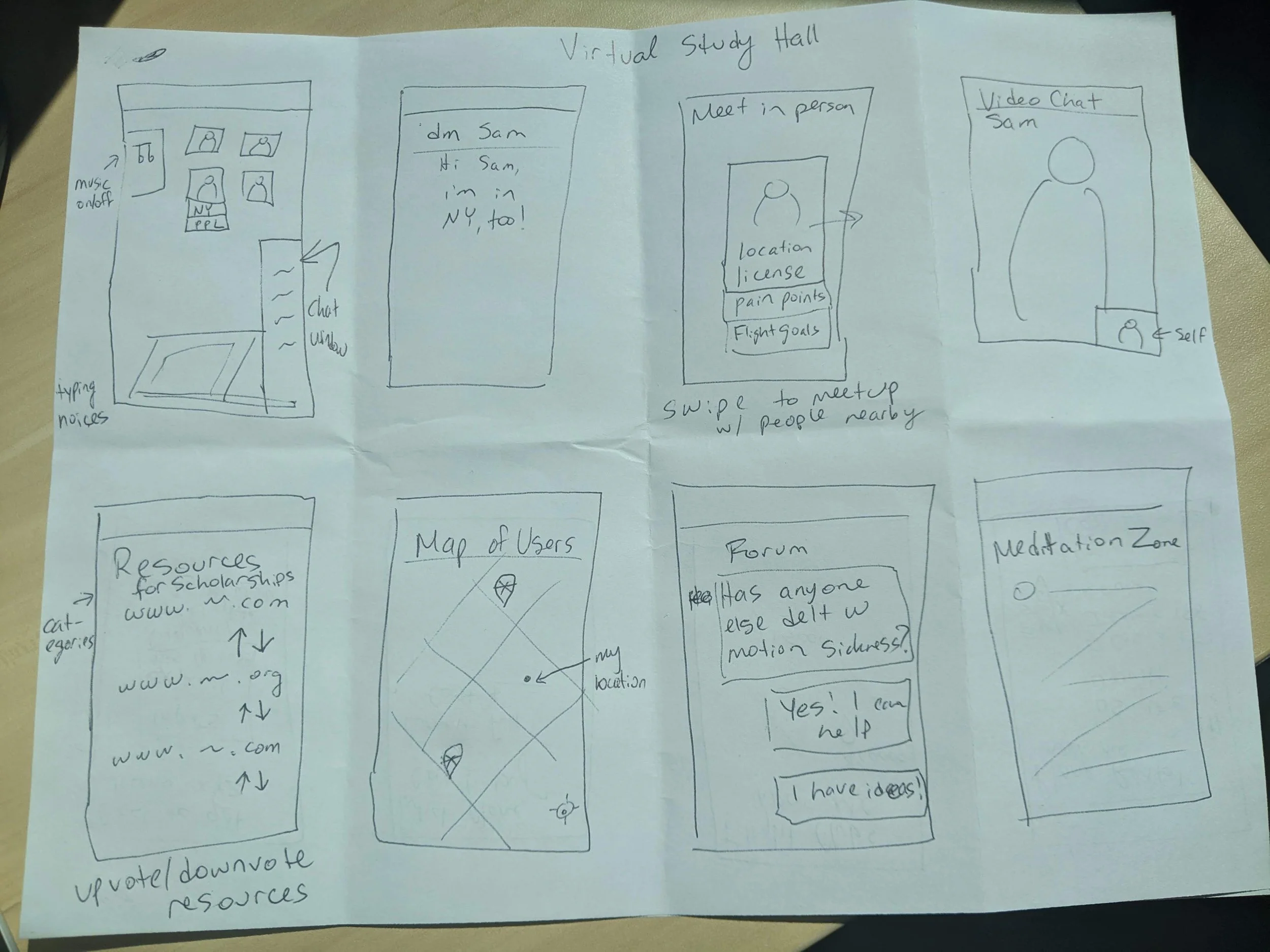
Finding a solution: Coming up with multiple concepts during an ideation phase
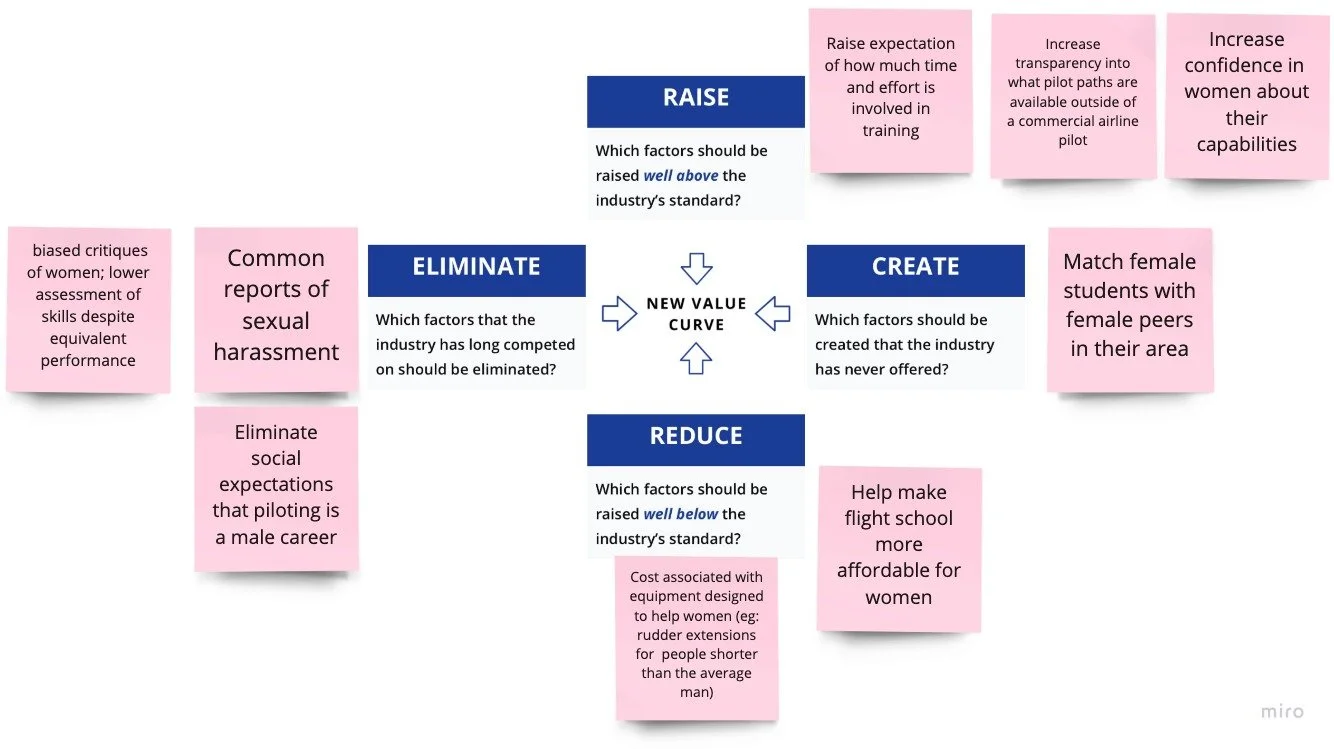
What problems can be addressed by an app?
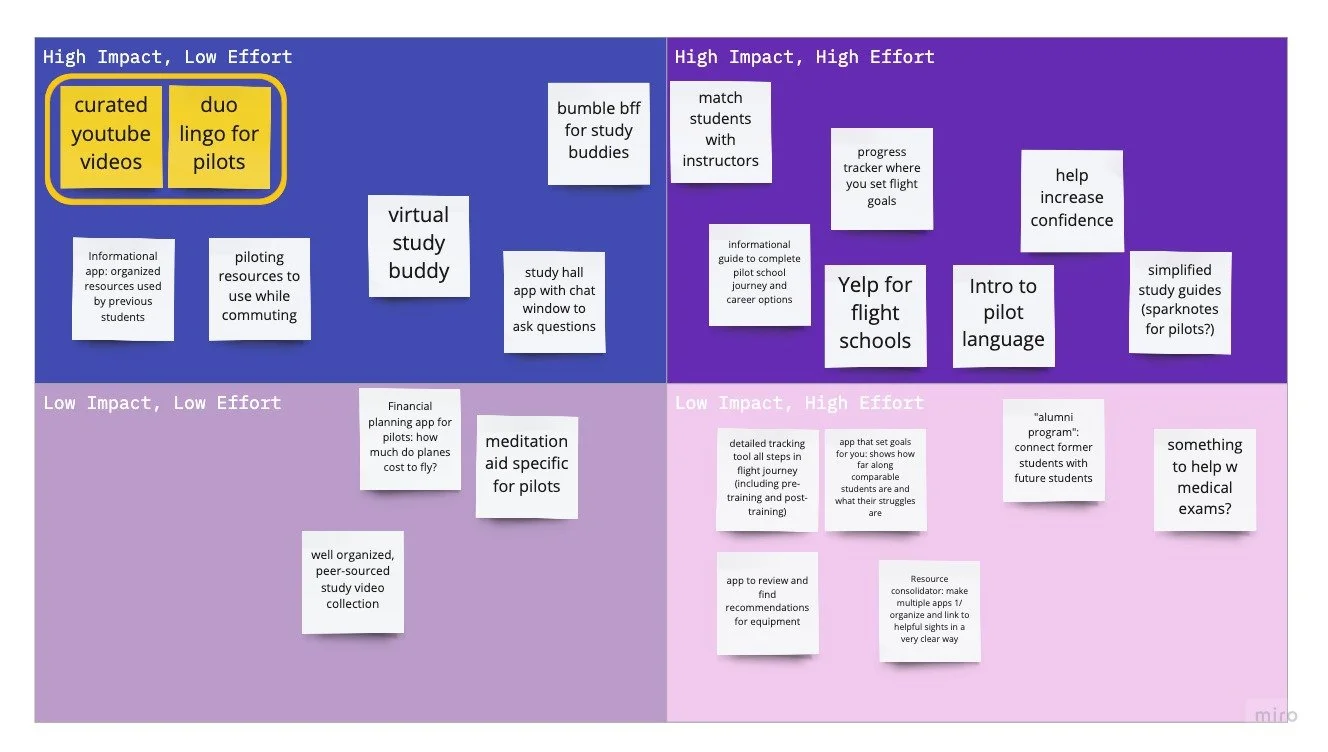
Which design solutions are High Impact, Low Effort?
Design Criteria: Converging on an MVP
-
🐥 Beginner-Friendly
Approachable to people with no aviation knowledge.
New students currently have a limited amount of approachable material readily available. Many competitors include advanced aviation jargon in their apps, which turns new students away.
-
🍎 Bite-sized
Education material must be easily digestible.
Students are overwhelmed by massive amounts of complex information and currently follow a manual process to try to break down large blocks of complex information into bite-sized chunks
-
📱 Less to carry
Portable, easy to carry tool;
Students currently rely on heavy text books and desire portable learning tools. The digital solution should be a mobile app or mobile-first desktop application
-
⛰️ Goal-oriented
Progress can be tracked.
Stakeholders talked about the difficulty and importance of keeping their end goal in mind so that when things are challenging, they remember what they’re working towards